BRANDING - AB2C Archetypes Branding 2 Customers
Emotional attachment to the brand

Generally speaking, intellectually we see a brand as something we buy through. But with the really good brands we have an emotional connection. This is the basis of our loyalty, our love where appropriate. A strong emotional connection is formed with brands that have a unique brand purpose. In Europe, the top five brands with the strongest emotional attachment among consumers are:
- Apple
- Lego
- BMW
- Adidas
Any brand with a strong emotional attachment can be clearly identified with an archetype. Human evolution has created desirable qualities in human consciousness:
- liberation is the Rebel
- power is the Magician
- excellence is Hero
- intimacy is the Lover
- liveliness and cheerfulness is the Clown
- belonging is the Everyman
- service is the Caregiver
- governance is the Ruler
- innovation is the Creator
- safety is the Innocent
- understanding is the Sage
- freedom is the Explorer
What do you really desire?
Because we are different personalities, our desires are different. Therefore the qualities we desire will appeal to different archetypes. The archetypes suggest the path to achievement, the path to desire, which makes them attractive. A business or company has two main motivations to align its brand with an archetype.
- Customer loyalty - brands compete on service and benefits. If you don't want your brand to become a mere commodity, you need to deepen your relationship with your customers.
- Distinguishing force - when you want to stand out from the crowd, distinctive qualities quickly run out, whereas if you see the brand as a personality, there is an infinite possibility of creating an identity. This not only makes it unique, but also memorable.
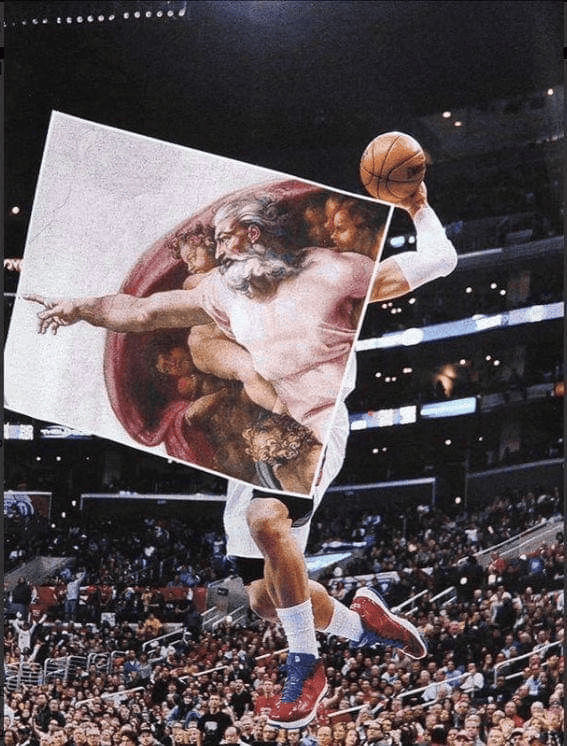
Archetypes are incredibly effective. They create a universal language in stories, art, religion, mythology that we all intuitively understand. When we begin to understand archetypes and patterns of behaviour, we immediately discover their workings in ourselves, our family members and our friends. How is it possible that we can recognise all archetypes without learning?The reason is that they are already programmed into our subconscious. See the Harvard Business School article on the subject..

When we come across an archetypal behaviour, we may not be able to name the character itself, but we immediately get the gist of it and know that we know it. We all have this compass built into us, instinctively and according to our desires to move closer or further away from it. Because the recognition mechanism is already programmed into our brains, it becomes an incredibly powerful tool for brand positioning, for targeting the personality traits that characterise our customers. It is the most effective tool currently known in marketing for building customer loyalty and attachment and brand identity.
We all have the same instinctive and unconscious behavioural pattern analysis going on. - Carl Jung
Archetypes are the essence of every brand - Carol S. Pearson
The history of archetypes

Archetypes are as old as storytelling. Plato called them intuitive forms, or patterns of understanding. Carl Jung first used the term archetype to describe personality and introduced the concept of the collective unconscious. This collective unconscious expresses experiences, emotions and triggers typical patterns of behaviour. In other words, it is linked to the recognition that the same instincts and subconscious understanding mechanisms are at work in everyone and that this is how we recognise patterns of behaviour. So archetypes are not just an airborne theory, but a scientifically researched and proven fact.
According to Harvard University professor Gerald Zaltman, 95% of our purchasing decisions or choices are subconsciously driven.
The brand archetype strategy goes beyond character selection. In the process, your brand will take on a true identity personality, which will include a communication style. Truly successful brands are fully developed personalities with a specific view and opinion on life and the world that people can identify with. To communicate a brand to your customers, you need to know who you are. We need to reach the level where the brand is a living person. A clear identity can produce much greater business growth than no identity or generic branding.
The process of building a brand archetype

- Based on the characteristics of the brand archetype, we define the brand identity position on issues related to our market and the wider industry.
- We use keywords to define its approach to life.
- Use a tone of voice and writing style that captures these opinions and attitudes.
- Define the vocabulary our brand uses, keeping in mind the desires our brand evokes.
- Expand our vocabulary with synonyms and capture this in brand guidelines.
- Adapt the brand visuals, colours, typography and images to visually reflect this identity.
- Apply this vocabulary, opinion, attitude and tone of voice to all communications about the brand.
Services
1. Creating a brand strategy
We combine creative thinking with a goal-oriented archetype approach. This is how we create a brand that attracts and retains customers. Whether you want to redefine your current brand or create a brand new one, contact us with confidence.
- Creating the Brand
- Brand manual
- Campaign planning
- Messages and narratives
- Brand Experience
2. Content Creation
Video that tells a story. Design that conveys hidden messages. Creating digital content that grabs the attention and makes a memorable impression on viewers, communicates the brand's personality values and evokes a strong emotional connection.
It consists of:
- the creative strategy
- brandidentitás
- graphic design
- filmmaking
- UX (interactive design, user research scenarios)
- UI (visual design, colours, graphic design, layout, typography)

3. Digital Marketing
We will plan your online presence in line with your brand identity and the brand communication you have developed. We will break down the communication strategy into communication channels to ensure the right voice is being heard by the right audience. Here we use the archetype keys to segment the audience. This involves:
- Social media strategy
- Setting budget ratios
- Content strategy
- SEO and SEM
- Web and Mobile Development
4. E-commerce presence abroad
The weakening of the Hungarian purchasing power and the penetration of the global multinationals in the region and the increase of competition in general, as well as the weakening trend of the forint exchange rate, justify a regional presence in the Internet retail presence, in addition to the local or domestic presence. Our team has developed an export strategy that includes components of business development, organisational development, marketing, procurement and technological development.
- Export capability audit
- Supply chain optimisation
- International brand development
- Marketing communication
- Logistics plan
- International payment platform
- Organisational development (customer service)
- Technology renewal, multilingualism and master database update
Methodology
When developing your brand personality, make sure you build it into every step of the customer journey. Every interaction a customer has with your brand should reinforce your brand personality. In the e-commerce industry, these interactions are often referred to as touchpoints.
Each touchpoint is an opportunity to express the archetype of your brand.
Customer journeys will vary depending on the archetype of the company. A Lover brand needs to present itself differently to potential customers than a Magician brand.
Your brand must always strike a personal tone.
Just make sure the tone always matches the brand archetype you choose.
The business benefits of using Archetype Branding
- Aquire new customers more efficiently
- Building loyalty with customers
- We differentiate ourselves from our competitors
- Creating a personalised brand identity that can evoke a stronger emotional response from the Hungarian consumer than the general multi-corporate brands
- More effective communication with lower marketing costs
- Decreasing exposure to e-marketplaces
- Increase in loyal customer base
- Opportunity for universal brand messaging due to archetypal brand universality multilingual communications are simplified due to the visual language of video and film
- Messages can appeal to different age groups, genders and social strata simultaneously